Remote guarding push: Emergency24, Worldview join forces Alliance combines dealer relationships and video expertise to accelerate adoption in the U.S.

By Cory Harris, Editor
Updated 9:38 AM CDT, Wed June 24, 2026
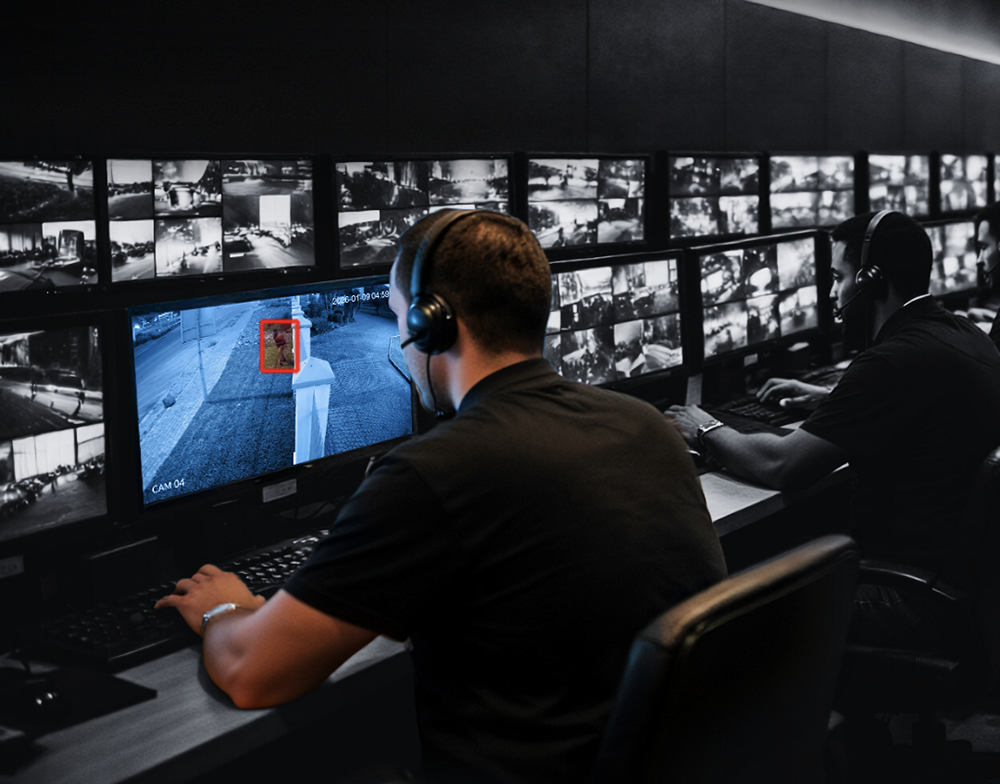
DES PLAINES, Ill., and RANDBURG, South Africa—Remote guarding is moving from niche to necessity - and Emergency24’s new partnership with Worldview Monitoring is aimed at helping U.S. dealers and central stations keep pace.
The alliance brings together Emergency24’s dealer network and central station operations with Worldview Monitoring’s decade-long focus on video monitoring, creating a path for monitoring centers and dealers to adopt remote guarding without building infrastructure or staffing capabilities in-house. As demand for proactive, video-based security continues to accelerate, the companies say the combined offering is designed to lower both technical and operational barriers to entry.
Bridging expertise and cost gaps
 Tim Pearman, CEO of Worldview Monitoring, said the company identified a gap between traditional alarm monitoring and video services in the U.S.
“A lot of large monitoring centers are very good at alarm monitoring, but video monitoring was something they were still getting the hang of,” Pearman said. “We’ve been doing video monitoring exclusively for 10 years, so we can bring that experience to partners.”
He added that Worldview’s offshore model enables cost efficiencies while working exclusively through monitoring partners to avoid channel conflict and support dealer growth.
Market conditions align
The partnership comes as remote guarding reaches a point of technological maturity and broader market acceptance, says Emergency24 CEO Steve Mayer, who said the company evaluated multiple options before selecting Worldview.
“Technical platforms and AI have stabilized to a level of consistency,” Mayer said. “Now it’s about executing with expertise.”
Pearman pointed to additional drivers, including increased demand for video verification and improvements in supporting infrastructure.
“Ten years ago, this wasn’t viable at scale,” he said. “Now the market is pushing people toward video.”
Growing demand, shifting mindset
 The companies cited rising demand across commercial verticals, including auto dealerships, manufacturing, healthcare and multi-tenant properties.
“What’s driving it is that it works,” Pearman said. “Adding more guards is expensive and often doesn’t solve the problem. With video, you can verify and respond quickly.”
Mayer emphasized the shift toward prevention over response.
“Instead of reacting after the fact, you can prevent incidents with live monitoring,” he said.
Both executives said adoption – not technology – remains the primary hurdle. Dealers are increasingly equipped with cameras but have yet to fully capitalize on recurring monitoring revenue (RMR).
“They just need to get comfortable having that conversation,” Pearman said. “Once they see the RMR potential, adoption follows.”
Human expertise still central
Despite advances in artificial intelligence (AI), both companies emphasized the continued importance of human oversight in remote guarding.
“There’s a lot of hype around AI, but when it’s not certain, you need an operator,” Pearman said.
Expanding central station capabilities
Emergency24 views the partnership as an extension of its core services and dealer support strategy, positioning remote guarding as a natural evolution of the central station model.
“This is not just another offering,” Mayer said. “We’re treating this as part of Emergency24.”
Both executives expect video monitoring to play an increasingly central role in the industry’s future.
“Video monitoring is going to revolutionize this business,” Pearman said.
Photo courtesy of Emergency24

Comments