Acoem updates acoustic threat detection software to reduce false positives

By SSN Staff
Updated 10:23 AM CDT, Thu October 8, 2026
GRANTS PASS, Ore.—Acoem has introduced two software updates for its Acoustic Threat Detection (ATD) Gunshot Detection System, adding individual sensor-level elevation tuning and enhanced acoustic analytics designed to improve detection accuracy in site-specific environments.
The updates, delivered through Acoem's Cadence software platform, are intended to help organizations address false positives, particularly in locations where hills, buildings, fireworks and other environmental factors can produce sounds that resemble gunfire.
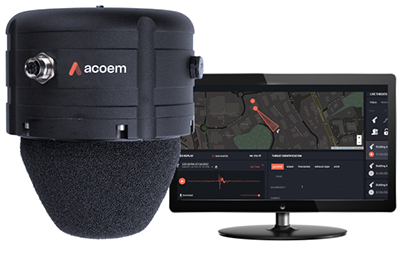 The new individual sensor management capability allows administrators to configure elevation and horizon thresholds for each sensor based on local conditions rather than applying the same settings across an entire deployment. According to Acoem, the feature helps the system more accurately classify fireworks and other skyline noise as non-threat events.
In addition, the company updated its AI-driven acoustic signal and noise analytics to better identify anomalies and distinguish potential gunfire from background sounds. The enhancements build on Acoem's existing threat-detection capabilities, which include shockwave-enhanced muzzle-blast detection, onboard AI analysis of 96 acoustic attributes, edge-based threat verification and PTZ camera integration.
“The volume of security system alarms are one of the biggest drains on security resources today. This update highlights how we leverage our deep data science expertise to continuously evolve our technology alongside our customers,” said Mike O'Dea, managing director of Acoem ATD. “By giving teams the ability to adapt detection to their specific environments, we're delivering the most flexible, accurate acoustic threat protection available to keep communities and critical infrastructure safe.”
The software updates will be available to existing customers in the fourth quarter of 2026 and can be deployed over the network through the Cadence platform without requiring additional backend server infrastructure, according to the company.
Photo courtesy of Acoem

Comments