AI-powered security tools can serve as dual solution for school violence, vandalism ‘The goal is not to monitor individuals, it’s to protect them,’ says Herman DeBoard of Airez

By Ken Showers
Updated 1:43 PM CDT, Wed October 1, 2025

YARMOUTH, Maine — While school violence continues to dominate headlines, a quieter but costly issue is rising: vandalism. Across the U.S., educational institutions are facing mounting financial losses from break-ins, property damage and security breaches.
Take, for example, a recent case in Florida where a pair of boys, 12 and 13, broke into Friendship Elementary School and caused upwards of $50,000 in damages through theft and vandalism.
Bigger picture, according to the Federal Bureau of Investigation (FBI), law enforcement reported more than a million school-related crime incidents between 2020 and 2024.
The cost of school vandalism 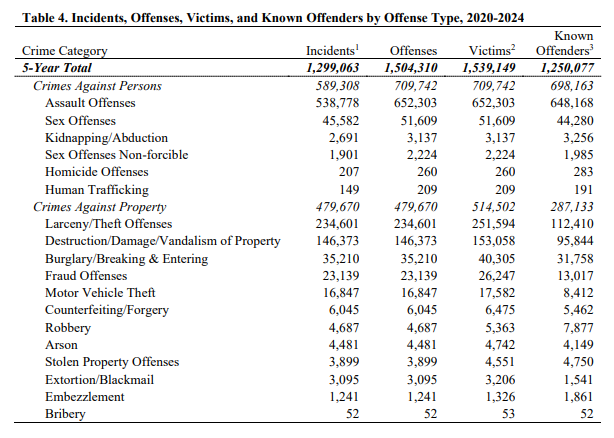
With school budgets stretched thin and safety concerns growing, administrators often face difficult decisions about where to allocate resources. Violence prevention typically takes precedence, but experts say that vandalism also poses serious risks to student safety and learning environments.
“Both violence and vandalism matter because they affect the safety and learning environment of students,” said Herman DeBoard, the CEO of Airez, a provider of AI-security solutions. “However, the unfortunate reality is that incidents of school violence can have life-or-death consequences, which is why administrators understandably prioritize them.”
AI as a dual solution for violence & vandalism
DeBoard believes artificial intelligence can help schools avoid having to choose between addressing violence or vandalism. His company’s software is designed to detect a range of threats—from intrusions and weapons to property damage—in real time.
“By using AI to connect the dots, schools don’t have to choose between focusing on violence or vandalism,” he said. “They can address both, with the same platform, in real time.”
Balancing safety and private in AI surveillance
Still, the use of AI surveillance raises questions about privacy. How can schools integrate these technologies without infringing on the rights of students and staff? According to DeBoard, the answer lies in contextual use and transparent communication. He emphasizes that Airez is designed to detect unsafe events—not monitor individuals.
“That means the system (Airez) doesn’t care about who you are,” DeBoard said. “It cares about whether an unsafe event is occurring. For example, is a door being forced open? Is someone carrying an object that looks like a weapon? Is a student collapsed in a hallway? These are safety-driven insights, not privacy intrusions. The goal is not to monitor individuals, it’s to protect them. If schools clearly communicate that AI is there to prevent tragedy and keep students safe, it’s possible to integrate these tools in a way that strengthens trust rather than eroding it.”

Comments