Executives in the crosshairs: World Security Report reveals alarming rise in targeted threats Allied Universal's Kucera and Loyear explain why proactive protection is critical in today’s decentralized threat landscape

By Cory Harris, Editor
Updated 12:34 PM CDT, Wed October 1, 2025
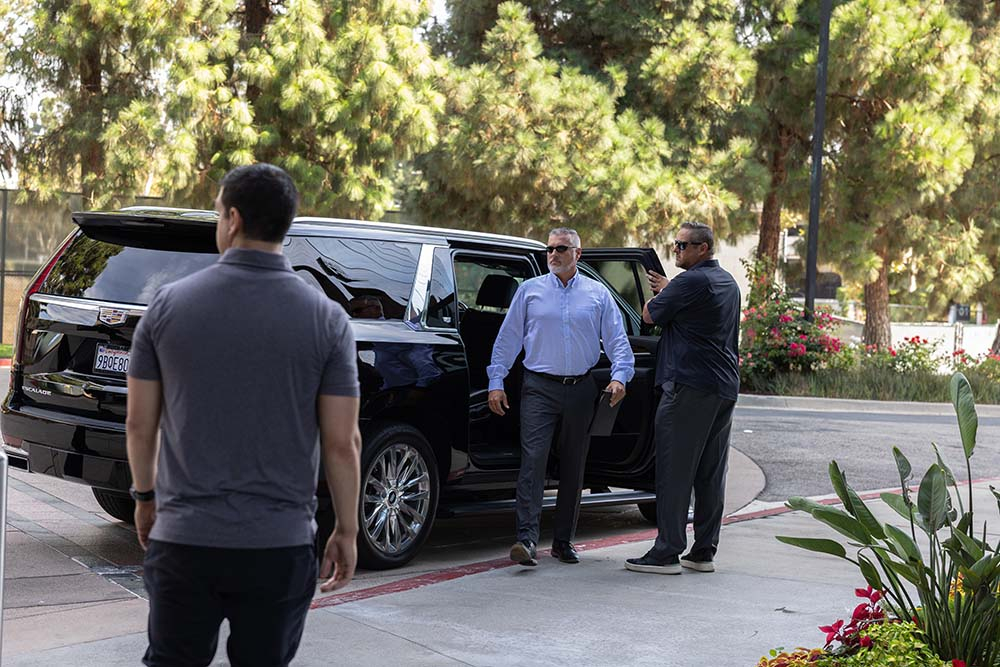
NEW YORK—Threats against high-profile executives - especially in the tech sector - are surging, driven by a volatile mix of social unrest, misinformation and digital radicalization, according to Allied Universal’s 2025 World Security Report.
Nearly half (46%) of U.S. chief security officers (CSOs) report increased threats toward executives. That number rises to 49% for publicly traded firms and 66% for tech companies.
.png) Glen Kucera, president of Allied Universal’s Enhanced Protection Services unit, cited recent high-profile incidents, including the assassination of United HealthCare CEO Brian Thompson and Charlie Kirk, as evidence of a growing risk.
Glen Kucera, president of Allied Universal’s Enhanced Protection Services unit, cited recent high-profile incidents, including the assassination of United HealthCare CEO Brian Thompson and Charlie Kirk, as evidence of a growing risk.
“If you are a high-profile company or a high-profile executive, then you are definitely at higher risk of being a target than others,” he said.
Threat multipliers
Post-pandemic remote work has fueled social isolation and online radicalization. Kucera noted that many perpetrators were young, unemployed men lacking daily social interaction, making them more vulnerable to extremist echo chambers.
“They aren’t getting feedback or engaging in debate,” he said. “Instead, they’re finding online communities that reinforce their views, which can escalate anger and aggression.”
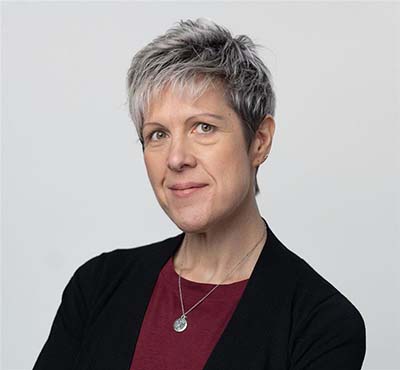 Rachelle Loyear, vice president of Integrated Security Solutions at Allied Universal, emphasized the urgent need for organizations to adopt proactive strategies that reflect these evolving social and technological dynamics.
“Those are threat accelerators,” she said. “Instability can push people who may not have previously had a cause to act out to become more prone to doing so.”
Evolving risk models
Initially, many organizations believed they were immune. “When Dec. 4 happened, some said, ‘I need to protect my CEOs now,’” Kucera said. “Others thought, ‘I’m not a health insurer. I don’t have to worry.’”
But another incident, at a Manhattan office building at 345 Park Avenue, where a threat to one tenant affected an entire multi-tenant building, challenged that assumption. “It wasn’t about health insurance anymore,” Kucera said. “It was about proximity and shared space.”
The Kirk assassination further expanded the scope. “It wasn’t a high-profile company - it was a high-profile individual. Totally different threat, totally different circumstances,” Kucera added.
Proactive protection in an unstable world
Loyear emphasized that the pace of change in the threat landscape shows no signs of slowing. With rising social unrest, persistent misinformation and growing chatter across both mainstream and fringe digital platforms - including the dark web - security teams must shift from reactive to proactive strategies.
“It will be an impossibility to be a reactive organization effectively,” she said.
Kucera added, “Over the next year, executive protection will lean more heavily on AI-driven intelligence, integrated systems and discreet family coverage to proactively close gaps before they’re exploited.”
More intelligence-driven security
The report urges companies to reassess their physical security postures and threat models. Over half (52%) of U.S. CSOs say they’ve enhanced executive security procedures. Kucera noted that risk assessments and security measures are rising sharply as threats pile up.
“If you look at all the victims of these crimes, what’s the one thing they have in common? They were all unsuspecting victims,” he said. “Now it’s our job to keep our clients from being unsuspecting victims.”
To view the report, visit: https://worldsecurityreport.com/.

Comments