Stakeholders ready to ‘push, push, push’ against NextNav petition House funding bill language would block NextNav restructuring

By Theresa Flaherty, Senior Editor
Updated 12:12 PM CDT, Wed June 24, 2026
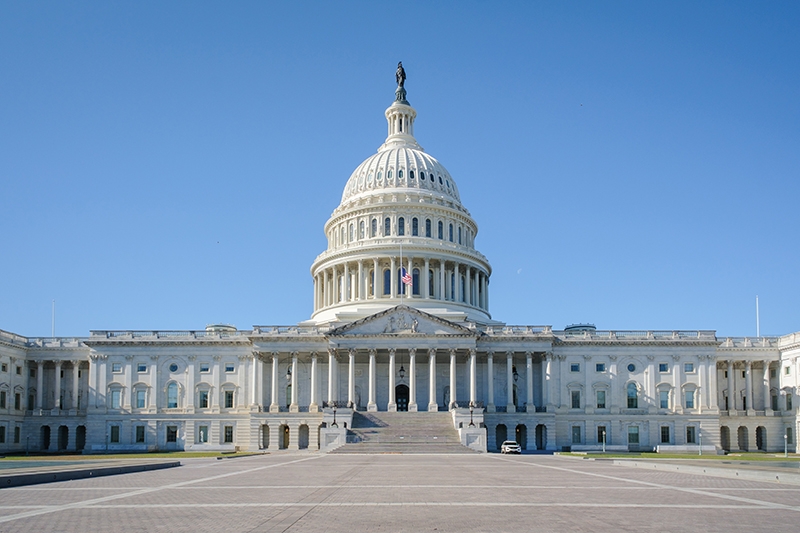
 WASHINGTON – A recent congressional hearing underscored growing concerns among lawmakers about NextNav’s petition to restructure the Lower 900 MHz band, a proposal industry stakeholders warn could disrupt critical safety devices.
Growing scrutiny on NextNav proposal
The June 4 hearing of the House Committee on Energy and Commerce’s Subcommittee on Communications & Technology focused broadly on U.S. positioning, navigation and timing (PNT) capabilities and viable GPS backup options. Still, the discussion made clear that opposition to NextNav’s proposal is widespread.
The plan would grant the company a nationwide license for 15 megahertz of spectrum—roughly 60% of the band. Industry stakeholders argue that is excessive and have pushed back since the proposal first surfaced in 2024.
“The hearing was framed around GPS resiliency, etc., but the real question for our industry is, ‘What happens to the existing devices and systems that businesses and consumers rely on every day?’” said Taylor Criddle, vice president of advocacy and public affairs for the Electronic Security Association (ESA). “I think we still have a way to go, but the fact that these hearings are happening on this issue, I think shows that we are heading in the right direction because Congress has had a lot of questions on this.”
Impacts stretch across industries
Concerns extend well beyond the security sector, said Lauren Bressette, senior director of government relations for the Security Industry Association (SIA). The association has been actively engaging with both House and Senate committees on the issue.
“There are constituent concerns, national security implications, implications for public safety,” she said. “I think the June 4th hearing was a really good showing that it’s not just SIA that's affected by this. It's transportation, tolling, retailers – all sorts of folks across many different industries have been weighing in as well.”
NextNav’s petition to the Federal Communications Commission (FCC) has generated roughly 2,000 comments—mostly in opposition—since September 2024.
Concerns over interference and life-safety devices
At the heart of the debate is the band’s current regulatory framework, which allows unlicensed devices—many used in security and life-safety applications—to operate without harmful interference from licensed users.
“A perfect example is, you have a loved one who uses Life Alert,” said Criddle. “They fall, they press the Life Alert button and nothing happens. These are some of the concerns that we have around some of this.”
Legislative and regulatory hurdles ahead
Momentum against the proposal is also taking shape on Capitol Hill. The House Appropriations Committee has included language in its funding bill that would prohibit the use of federal funds to implement NextNav’s proposed restructuring. If enacted, the provision could effectively prevent the FCC from moving forward, Bressette said.
At the same time, the proposal is undergoing an interagency review involving the U.S. Department of Transportation, the U.S. Department of Commerce and the U.S. Department of War. Industry stakeholders are focusing their advocacy efforts there as well.
“We are continuing to make sure that they are educated on the impacts the NextNav proposal would have,” said Bressette. “And then just we are continuing to push and push and push on every front that to ensure that proposal gets denied so that we can move on to the PNT alternative debate.”
Related reading:
- SSN Poll: Integrators warn proposed 900 MHz changes could disrupt system reliability
- SIA/FCC research reveals flawed spectrum proposal would cause public safety risks
Photo credit: Chenxiaoyang_AdobeStock_2042972972

Comments