SSN Poll: Integrators warn proposed 900 MHz changes could disrupt system reliability

By Cory Harris, Editor
Updated 8:00 AM CDT, Wed April 8, 2026
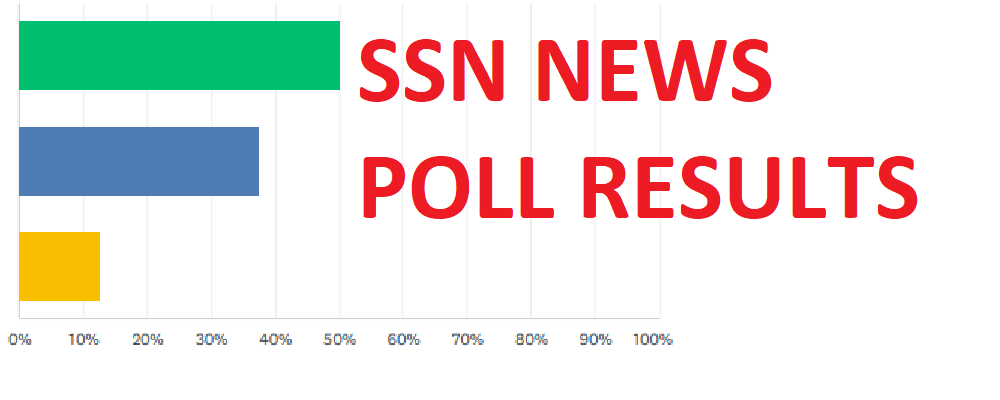
YARMOUTH, Maine—A strong majority of security professionals say proposed changes to the lower 900 MHz band could disrupt system reliability and force costly technology shifts, according to a recent Security Systems News poll.
When asked how concerned they are about potential interference if portions of the band are repurposed, 80% of respondents said they are very concerned, citing risks to system performance and reliability. Another 6.7% said they are somewhat concerned, while 13.3% said they were not concerned or unsure.
Those concerns appear likely to influence future technology decisions:
- Nearly 47% of respondents said they would be very likely to shift away from Z-Wave or other 900 MHz-based technologies if the proposed changes move forward.
- Another 26.7% said they would evaluate usage on a project-by-project basis.
- Twenty percent said they would continue using current technologies, while 6.7% said they need more information before making a decision.
Several respondents warned that the impact would extend far beyond future installs, potentially affecting millions of already deployed systems.
“From everything I have read, this will be destructive across the industry and especially to end users’ deployed systems,” one respondent wrote.
Limited support for spectrum changes
Support among respondents for reallocating part of the lower 900 MHz band to support a nationwide, 5G-based positioning, navigation and timing (PNT) network was limited. No respondents said the benefits clearly outweigh the risks.
Forty percent opposed the proposal outright, while another 40% said they would only support changes if strong technical protections for incumbent users are put in place. Twenty percent said more technical data is needed before forming an opinion.
Respondents who expressed conditional support emphasized that any changes would need to ensure continued reliability for existing security, life safety and smart home systems.
“If NextNav’s proposed network is implemented, receiver sensitivity would significantly deteriorate, and both co-channel and adjacent-channel interference would be so drastic as to make the lower 900 MHz band unusable for most devices in large parts of the service area,” another respondent wrote.
Background: what’s at stake
As previously reported by SSN, the concerns stem from a petition before the Federal Communications Commission backed by NextNav, a positioning, navigation and timing technology company, seeking to repurpose portions of the lower 900 MHz band to support a nationwide 5G-based PNT network.
The lower 900 MHz band is widely used today by unlicensed security and smart home technologies, including alarm panels, sensors, medical alert devices and Z-Wave-based products. Industry groups have warned that introducing higher-power, licensed operations into the band could increase interference, degrade receiver sensitivity and disrupt existing systems.
Industry associations, including the Security Industry Association (SIA), Electronic Security Association (ESA) and The Monitoring Association (TMA), have urged the FCC to protect incumbent users, warning that changes could force large-scale equipment replacement or prompt shifts away from long-established wireless platforms.
Skepticism about motivations
Beyond technical concerns, some respondents expressed skepticism about the intent behind the proposal, questioning whether the benefits justify the risks to existing systems.
“This is nothing more than a grab by NextNav to take over 60% of the lower 900 MHz band to resell to AT&T, Verizon or T-Mobile as 5G for profit,” one respondent wrote.

Comments