Allied Universal’s Glen Kucera talks current executive protection landscape '(We've) done more in the first half of this year than they did in the five years prior'

By Ken Showers
Updated 12:36 PM CDT, Wed July 23, 2025
NEW YORK—Despite the growing adoption of AI and other advanced technologies, there might not be a more swiftly changing sector in the security industry right now than executive protection, says Allied Universal’s Glen Kucera.
Security Systems News spoke with Kucera, president, Enhanced Protection Services, to learn more about how recent events are driving this change. 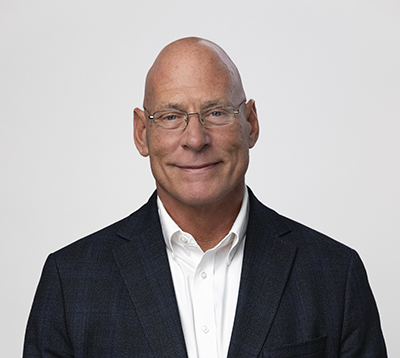
SSN: You recently said that executive protection is more than glorified driving. Could you elaborate on that a bit for me?
Kucera: There's a lot of misconceptions on what people think executive protection is all about, and even if we go back on the necessity for executive protection before last December, probably 20% of the CEOs for Fortune 500 companies had executive protection and a very small percent, single digit percentage of the executives beneath the CEO, even had executive protection. They just didn't think there was a need.
It was kind of a misconception that it’s only the very wealthy people – the Zuckerbergs, the Elon Musks, the people who are controversial – who even required that type of protection. So, until that unfortunate incident happened in December (with the UnitedHealthcare CEO), there was a huge misconception on the necessity for any type of protection for CEOs or any executives.
SSN: What would you say is currently the greatest challenge or challenges facing executive protection providers right now?
Kucera: The biggest challenge is balancing the budget and how much they want to spend for what the necessity and the requirement is for executives. In the aftermath of Dec. 4, there was a panic and people were saying, “Oh my goodness my executives are someplace in the world, or their residences, and they may be at risk. I need 24/7 coverage: for their residences, for travel, for their office, I need 100% coverage.”
But of course, that's a little tough on the budget, right? So after about a month of that, it became a lot more strategic. Now, when there are instances within an organization where they may need some additional executive protection, social media monitoring is paramount. Because in advance of a lot of these incidents, there’s some chatter on social media, and in the past, it had been ignored and now it's not.
There's (also) a lot more assessments being done. My consulting business and its protective services have done more in the first half of this year than they did in the five years prior. It's just: do some assessments, spend some time with the executives, do a threat profile and determine what periods and career/life events that person within the organization might require some type of protection. Then we will sit down with them and lay out a formal plan.
The other challenge on residential protection is that it can be encroaching on the family. So even if the CEO feels, or the family is like, “Geez, I don't want guys around here.” They don't want somebody with them when they travel. That was kind of a big change.
SSN: We've talked quite a bit about everything that's stemmed from the incident in December, including all the recent political violence. Can you tell me how you see executive protection continuing to evolve and change in light of that?
Kucera: Unfortunately, there's a lot of conflict in the United States right now. You've got ICE raids and a lot of conflicting issues going on, and every one of those feeds an opportunity for some type of violence. Since COVID, there's a lot of people that haven’t returned to work, and they're spending a lot of time on social media. They're making threats, they're getting information, and they're getting angrier.
In the past, you would do a threat assessment for an executive every five or six years. But now the ones that we've done in the first quarter for large corporations, we're doing it in the second quarter, doing it in the third quarter. They want to have conversations with us, "Is there any way this conflict could impact my company or my executives?” The threat landscape is changing frequently and all of that requires constant monitoring.
This article was edited for length and clarity.

Comments