‘Backend’ breakthrough in Guthrie case pushes home security to the front line Stratoscope’s Donovan, Bongino explain how the FBI recovered Nest video, and why homeowners must strengthen system resilience

By Cory Harris, Editor
Updated 12:50 PM CST, Wed February 18, 2026
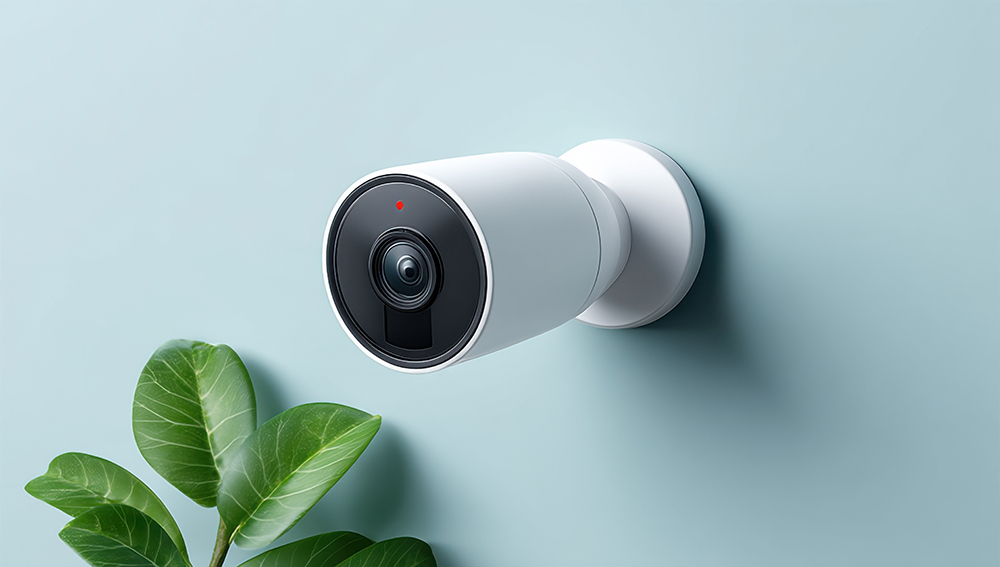
TUCSON, Ariz.—The abduction of 84-year-old Nancy Guthrie, mother of TODAY Show co-anchor Savannah Guthrie, has pushed home security squarely into the national spotlight, raising difficult questions about how long smart home cameras retain data.
Early on, authorities believed Guthrie’s disconnected, non-subscription Google Nest camera held no recoverable footage. Days later, the FBI released images and video of an armed, masked individual at her front door. The footage surfaced only after a multiday forensic effort to extract residual data located in backend systems with support from private sector partners.
 For Dan Donovan, founder and managing partner at Stratoscope, the development shows how quickly residential video - normally used for routine visibility - can become central to an investigation.
“Video surveillance in homes and most businesses is for investigative purposes,” he said. “Once the FBI got involved, they could go into the servers, find the IP, and locate the footage.”
Why the video still existed without a subscription
Cloud-connected cameras behave very differently from traditional, on-premise systems. Even without a paid storage plan, video still travels through multiple cloud layers before it is permanently erased.
In the Guthrie case, the Nest device registered motion and tamper activity just before it went offline. Events like that can cause data to persist longer in backend systems, even if it never appears in the user facing app.
 Joe Bongino, Stratoscope’s head of business development, said the public often imagines hidden access points, but the actual process is far more straightforward. He emphasized that lawful cooperation, not backdoors, is what enables investigators to recover video in cases like this.
“There are back channels and partnerships - FBI, CIA, the top ends of law enforcement - so when something terrible happens, companies share information openly under a court order,” he said.
Education lags behind technology
Both executives agreed that public hesitation often stems from misunderstandings about how modern security technologies actually work.
Donovan pointed to today’s “unobtrusive” stadium screening systems - so seamless that some attendees walk through without realizing they’ve already been scanned - as proof that innovation is often far ahead of public awareness.
Bongino added that the real obstacle isn’t the technology itself, but human nature.
“You could give someone a million dollars, and they complain they want two million - you’re never going to get 100% participation,” he said. “Sharing information and using technology could save money because instead of testimony, the footage is right there.”
A wakeup call for homeowners
Donovan said the Guthrie case should prompt families - especially those with older adults - to rethink home security system upkeep.
“These analytics are more affordable than ever,” Donovan said. “Deploy them in a preventative way - and make sure that if something does happen, you can find out what actually happened.”

Comments