SimpliSafe execs say prevention will define home security's next chapter

By Cory Harris, Editor
Updated 11:41 AM CDT, Wed August 26, 2026
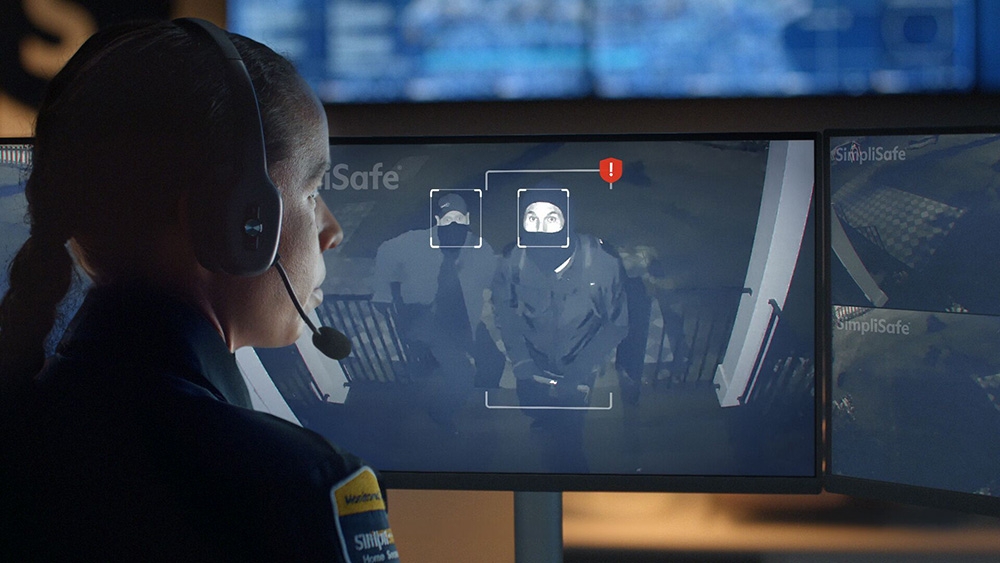
BOSTON—Twenty years after helping reshape the residential security market with self-installed systems, SimpliSafe believes the industry's next major transformation will come from preventing crime rather than simply detecting it.
Company founder Chad Laurans and CEO Hilary Schneider said advances in artificial intelligence (AI), combined with professional monitoring, are enabling security providers to identify potential threats earlier and intervene before incidents occur.
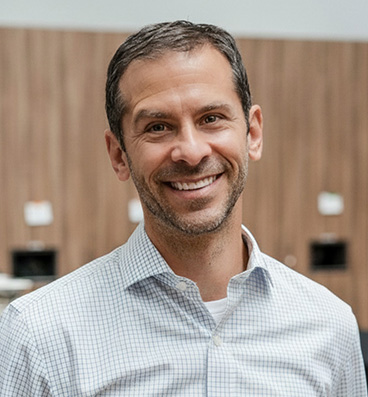 "The next disruption is moving security from detection to prevention," Laurans said. "A camera that records a crime is useful. A system that can recognize a potential threat and help stop that situation from escalating is fundamentally more powerful."
Two decades ago, SimpliSafe challenged assumptions about home security, including the need for professional installation, long-term contracts and high upfront costs. Today, company leaders say the focus has shifted to preventing harm rather than simply alerting homeowners after an incident.
Beyond DIY
Laurans noted that SimpliSafe helped reshape residential security by making systems easier to install and use.
"We successfully challenged many of the assumptions of the traditional home security market," Laurans said.
But Schneider said the company's vision now extends well beyond the do-it-yourself (DIY) label.
"I'm going to stop calling it DIY because I think it's more than DIY," Schneider said. "I think it's really the combination of ease, top-shelf security and value."
From detection to prevention
 Both executives pointed to SimpliSafe's Active Guard Outdoor Protection service as an example of where residential security is heading.
Traditional security systems focus on detecting an intrusion after someone reaches a home. Newer approaches seek to identify suspicious activity earlier and intervene before a criminal ever reaches the front door.
"The idea of outdoor monitoring is much more powerful," Schneider said. "Can you get them at the perimeter so that they never get to your house itself?"
AI is central to making that model both practical and affordable. Rather than requiring monitoring agents to watch video feeds around the clock, AI can help distinguish potentially threatening behavior from routine activity such as pets, wildlife or weather-related movement.
"There's an enormous amount of activity around a typical home, and most of it is completely harmless," Laurans said. "The more accurately a system can understand that activity, the better it can identify the moments that are genuinely unusual."
Neither executive views AI as a replacement for professional monitoring.
"We believe the real power is AI plus human judgment," Schneider said. "AI will continue to set our security specialists up for success to be faster, more informed and more effective."
Privacy and trust
As AI-powered monitoring becomes more sophisticated, privacy is becoming a larger consideration for consumers and security providers alike.
"People are trusting us with two incredibly important things - their homes and their data," Schneider said. "Neither should be taken for granted."
Laurans said privacy and security have become inseparable.
"You can't credibly say you're protecting someone's home if you aren't equally thoughtful about protecting the information that comes from inside and around that home," he said.
Looking ahead, both executives expect home security systems to become more proactive and require less oversight from homeowners.
"The underlying technology will become far more sophisticated," Laurans said. "But if we do it well, the customer experience should actually become much simpler."
Related: SimpliSafe eyes broader reach, crime prevention push through Walmart partnership
Photo courtesy of SimpliSafe

Comments