Intel, Fortinet partner on next-generation security processor

By SSN Staff
Updated 2:12 PM CDT, Thu July 23, 2026
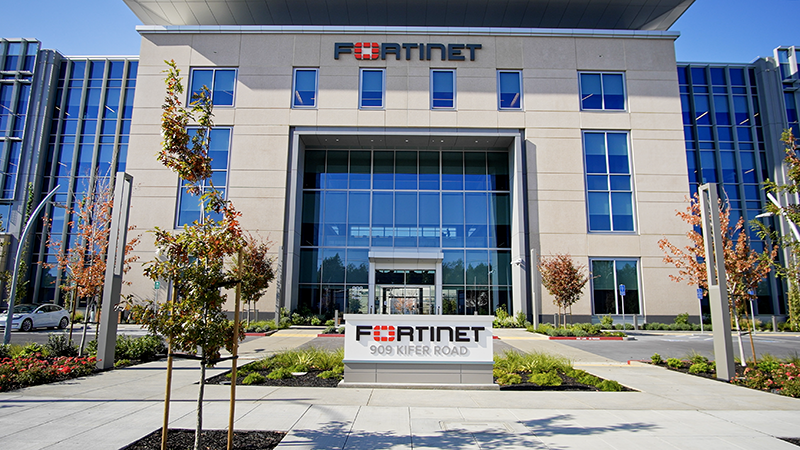
SANTA CLARA AND SUNNYVALE, Calif. – Intel Corporation and Fortinet (NASDAQ: FTNT), have announced a strategic collaboration to develop Fortinet Security Processor 6 (SP6), expanding a long-standing relationship between the two companies.
This collaboration combines Fortinet’s proprietary, purpose-built security processor expertise with Intel’s advanced design, packaging, and manufacturing capabilities to accelerate and strengthen SP6 development. This work will also help to improve the resilience and diversity of Fortinet’s global supply chain.
 “As organizations face a rapidly evolving threat landscape, security infrastructure must deliver both performance and innovation at scale,” said Lip-Bu Tan, CEO of Intel. “This collaboration demonstrates how Intel’s semiconductor leadership and advanced design, packaging, and manufacturing capabilities can help cybersecurity leaders like Fortinet accelerate the development of critical security technologies while building a more resilient and diversified global supply chain.”
“Fortinet’s purpose-built ASICs have been a key differentiator for more than two decades, enabling us to deliver the security effectiveness, performance, and efficiency our customers demand,” said Ken Xie, founder, chairman and CEO of Fortinet. “This expanded relationship with Intel will leverage its unique combination of advanced semiconductor technology, manufacturing expertise, and global supply chain capabilities, helping Fortinet accelerate and strengthen our ASIC strategy, while also better supporting organizations all over the world.”
The companies said the collaboration will combine Fortinet’s security processor technology with Intel’s intellectual property portfolio, semiconductor design expertise, and advanced packaging capabilities. They said the effort is aimed at developing a highly integrated security processor capable of supporting increasingly sophisticated security services and the growing performance demands of enterprise organizations.

Comments